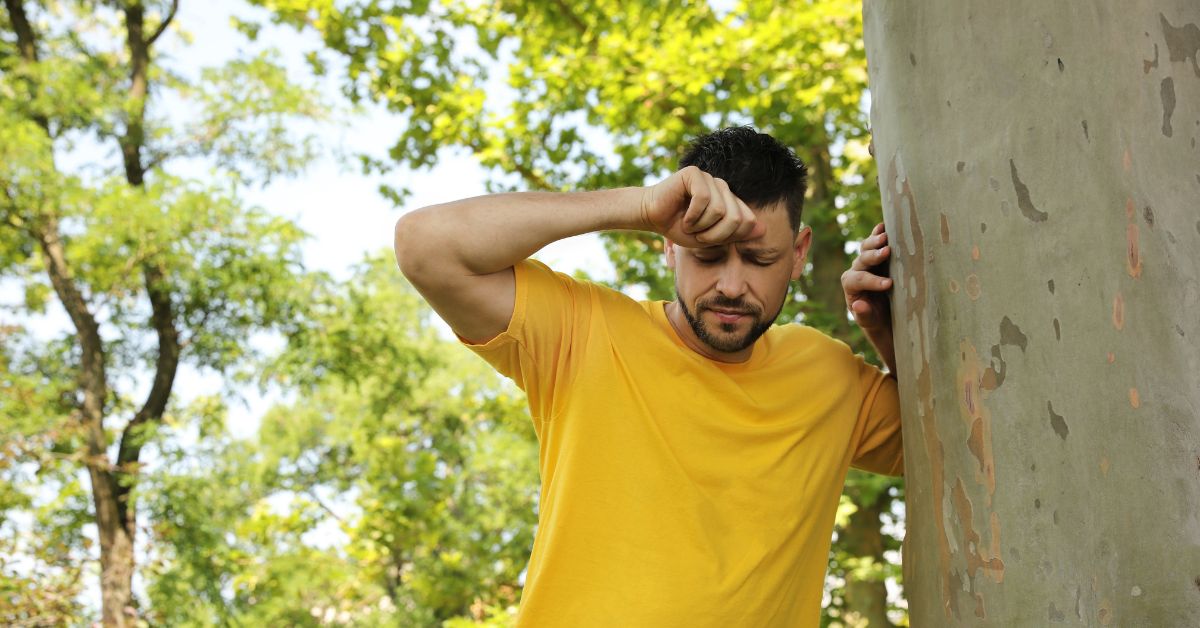

Are you getting a restful night’s sleep? Is stress overwhelming you? Stress and sleep are intertwined, and too much of the former can impact the latter. The effects of it can reverberate through your health.
Those two questions are important to ask yourself when evaluating the strength of your immune system. Increased amounts of stress and sleep deprivation are linked to weakened immune systems.
A weakened immune system is something you want to avoid at all cost, especially as we enter cold and flu season. To keep yourself healthy, it’s important to know the impact stress and sleep challenges have on your body and overall health.
If you are sick often and don’t get enough sleep, stress may be a factor. Make an appointment with your primary care provider to discuss how you can improve your immune system.
Why stress disrupts sleep
Stress impacts sleep in several ways:
- Delayed sleep onset: High stress levels increase physiological arousal, which means racing thoughts and a body that just won’t settle down. Studies show that chronic stress can significantly delay the time it takes to fall asleep.
- Fragmented sleep: Even if you manage to fall asleep, stress can cause frequent awakenings and lighter sleep stages, leaving you feeling exhausted the next day.
- Emotional fallout: Sleep loss doesn’t just make you tired – it affects mood regulation. Research spanning decades confirms that inadequate sleep heightens anxiety and reduces positive emotions.
However, stress doesn’t just directly impair sleep – it also works through mediators like rumination and social anxiety. In other words, when you’re stressed, you’re more likely to overthink and worry, which further sabotages your sleep quality.
How stress and sleep affect your immune system
Stress
Stress presents itself physically in a multitude of ways. It can cause head and neck aches, show on your skin and increase your blood pressure. It can also be one of the primary reasons you get sick.
Stress can make you more susceptible to illnesses and make you fall ill more frequently. If your stress has already made you sick this year or you’re managing greater stress than normal, now is the time to slow down and use some stress-management techniques to help your body relax and remain healthy.
Some of these techniques include:
- Prioritizing self-reflection
- Eating right
- Exercising more
Self-care is essential to this process. Putting yourself first may not be easy. However, doing so could make all the difference in reducing your stress and improving your health.
Sleep
When it comes to improving your sleep habits, it’s not about how much sleep you get, but rather the quality of your sleep. Contrary to popular belief, a person can still suffer from sleep deprivation even after sleeping for nine hours.
Getting enough quality sleep is vital to your health. It jumpstarts your brain, allows your body to rest and gives you more energy. Without it, our bodies have a harder time fighting off germs and staying alert. Sleep deprivation also puts people at risk for developing chronic health conditions, including heart disease, diabetes and high blood pressure.
There are some simple steps you can fold into in your daily routine to improve your sleep. Some of these tips include:
- Don’t drink caffeine after 3 p.m.
- Create a quiet, cool and dark environment for sleep.
- Exercise and be mindful of when you’re completing your activity. It can stimulate brain activity and keep you awake.
How we can help
Make sure your immune system is as strong as possible. Learn more about the flu vaccine and find a Bon Secours provider near you today.
If you are experiencing flu-like symptoms, which may include fever, cough, shortness of breath, sore throat or body aches, make an appointment with your primary care provider. You may be encouraged to complete a virtual visit.
Learn about the primary care services we offer at Bon Secours.