
Sports injuries can happen to anyone. The good news is that thoughtful training can lower your risk. Learning how to prevent them can help you avoid injury. However, accidents happen, so understanding treatment options can help you determine the care you need when you need it.
These injuries are usually caused by falls, collisions or they slowly build when the same body part is repeatedly stressed. If pain keeps you from your usual activities or isn’t improving, make an appointment with your sports medicine provider to get the proper care.
How can you prevent sports injuries?
There are a few changes that you can make to mitigate the risk of being injured when you’re playing your sport.
Here are a few habits that can make a difference:
- Warm up with intention: Start with five to 10 minutes of easy movement, then use dynamic stretches that resemble the activity you’re about to do. You can try morning stretches to kickstart your day.
- Train for strength, balance and mobility: Injury prevention exercises and strength training can help your body stay controlled as you run, jump or change direction.
- Build up gradually: A big jump in mileage, weight, practice time or intensity can overload your body before it has adapted. This is especially important after an offseason or another break from exercise.
- Practice good technique: Golf swings, baseball throws, running form and weightlifting techniques all place different demands on the body. Athletic trainers can help you develop safer movement patterns.
- Schedule recovery: Rest days are a necessary part of training. So are hydration, sleep and stopping when pain changes the way you move.
Your injury prevention strategy should also match your sport. For example, common golf injuries happen in the lower back or shoulder, while swimming injuries typically come from overusing your shoulder and knee.
Types of sports injuries
Common sports injuries can affect your muscles, bones and joints. Where you hurt, how the injury happened and whether you can move normally can all provide clues about what may be wrong.
Head and brain injuries
A concussion is a common type of brain injury that happens when a forceful blow hits your head. Football and soccer are common settings for concussions. Although, head and brain injuries can occur in any sport.
Symptoms of a concussion may include:
- Headaches and dizziness
- Nausea
- Balance problems
- Vision impairment or changes
If you suspect that you have a concussion, you should stop playing and be evaluated by a health care provider before returning to your sport.
Shoulder, elbow and arm injuries
Repeated overhead movements can be tough on the upper body. Injuries in these parts of the body often happen from repeated stress during sports that involve a lot of upper body movement.
Sports that commonly involve shoulder, elbow and arm injuries include:
- Baseball pitchers
- Tennis players
- Swimmers
- Golfers
Reoccurring pain, weakness or difficulty lifting your arm requires medical attention, especially when rest isn’t helping.
Back and core injuries
Your back helps transfer force, stabilizes your body and supports many strength exercises. Typically, golfers and football players experience low-back pain. Limited spine mobility, reduced hip flexibility and core weakness can all play a role.
Don’t simply play through persistent or severe back pain. Make an appointment with a sports medicine provider when pain doesn’t improve or comes with symptoms such as numbness, tingling or muscle weakness.
Knee and leg injuries
Knee and leg injuries can include meniscus tears and ACL injuries. A quick twist, hard landing or planted foot can cause injury, while repetitive activity can cause problems that develop more gradually.
Sports like soccer, football and running put significant demands on your lower body. Athletes who play these sports are at risk of injuries like stress fractures or leg sprains. Don’t ignore pain that becomes more focused in one area and worsens with activity.
Ankle and foot injuries
Ankle and foot injuries are common in sports that involve a lot of running and jumping. These injuries occur when you tear a ligament during an awkward landing or when you stumble.
Typical ankle and foot injuries include:
- Ankle sprains
- Tendon injuries
- Turf toe
- Blistering of the feet
If you experience a mild foot injury, stop the activity and protect the area. A wrapped cold pack and elevation may help manage early pain and swelling.
If you can’t put weight on your foot, the ankle looks deformed or symptoms aren’t getting better, have the injury evaluated by a sports medicine doctor.
Is it soreness or a sports injury?
There’s a difference between soreness and sports injuries. Typical muscle soreness is usually dull and achy, and it improves within several days. An injury is more likely to cause sharp or localized pain that may be accompanied by swelling or symptoms that persist or get worse.
Don’t use pain as a test of toughness. Taking time to recover is different from repeatedly training through a problem that’s getting worse.
When do sports injuries need medical care?
Where you go depends on how the injury happened and how serious your symptoms are.
When to go to urgent care
You should go to urgent care when an injury needs timely evaluation but isn’t life-threatening.
This may include:
- Sprains and strains
- Minor fractures without an obvious deformity
- Minor cuts that might need stitches
- Manageable pain and swelling
When to go to the emergency room
Some sports injuries shouldn’t wait. Call 911 or seek emergency care for:
- A serious head, neck or spine injury
- Loss of consciousness or seizures
- An open fracture or obvious limb deformity
- Severe or uncontrolled bleeding
- Loss of feeling or signs of impaired circulation
- Difficulty breathing or chest pain
Emergency departments are designed for severe injuries and potentially life-threatening conditions, including serious head injuries, severe fractures and uncontrolled bleeding.
When to see a sports medicine doctor
Sports medicine is often the better next step when the problem isn’t an emergency but continues to interfere with your activity.
Schedule an evaluation with sports medicine provider for:
- Persistent joint or tendon pain
- Recurring injuries
- Reduced mobility
- Ongoing pain after exercise
- Muscle injuries
- Difficulty returning to your normal activity
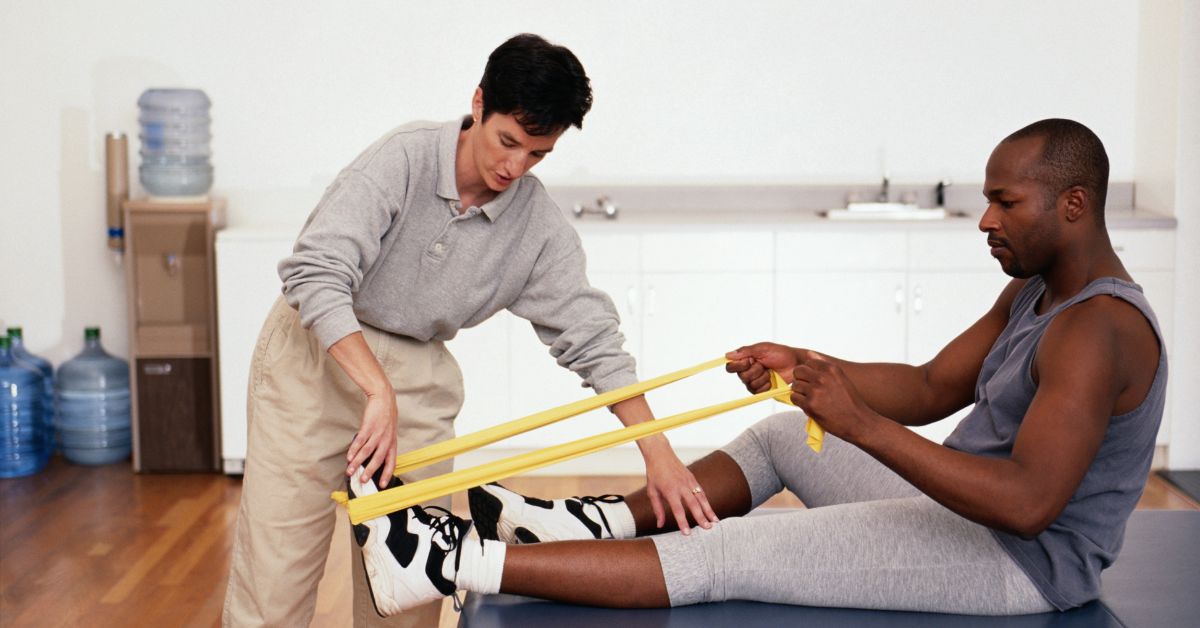
Treatment doesn’t automatically mean surgery. Depending on your injury, your plan may involve activity modification, bracing, medication, physical therapy or rehabilitation.
How we can help
Sports injuries may be common, but ongoing pain doesn’t have to become your new normal. If an injury is keeping you from the activities you enjoy, make an appointment with a Bon Secours sports medicine provider.
However, sometimes an injury can’t wait for an office appointment. For non-life-threatening injuries that need prompt attention, go to your nearest urgent care location. For severe head trauma, an open fracture or other serious injuries, immediately go to the nearest emergency department or call 911.
Learn about the orthopedics and sports medicine services we offer at Bon Secours.