More than half of U.S. adults have high blood pressure, also known as hypertension – and many don’t realize it. Often called the “silent killer,” high blood pressure can damage the heart, brain, kidneys and blood vessels without obvious symptoms. Left untreated, it significantly increases the risk of heart disease and stroke. Adopting effective ways to lower blood pressure can help you get it under control.
If you’ve been diagnosed with hypertension, make an appointment with your cardiologist to discuss ways to lower blood pressure that will work best for you.
What is high blood pressure?
Blood pressure measures the force of blood pushing against artery walls. Blood pressure guidelines for adults are:
- Normal: Less than 120/80 mm Hg
- Elevated: Systolic 120 to 129 and diastolic less than 80
- Hypertension stage 1: Systolic 130 to 139 or diastolic 80 to 89
- Hypertension stage 2: Systolic 140 or higher or diastolic 90 or higher
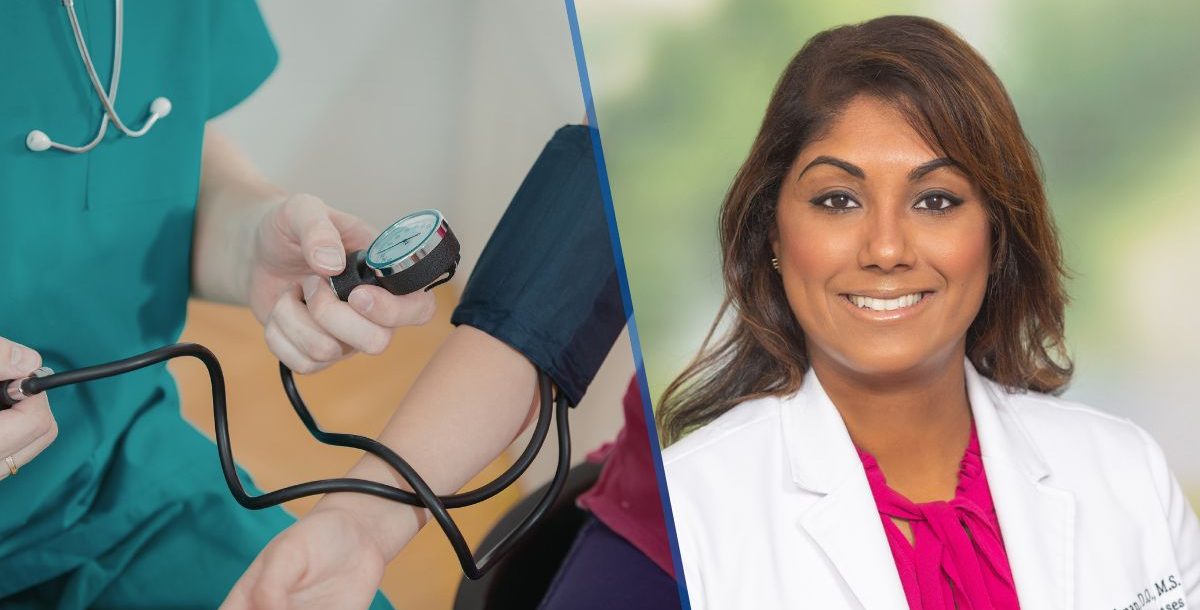
Because symptoms are often subtle or nonexistent, regular blood pressure checks – at home or with your health care provider – are essential.
“Your blood pressure can be dangerously high and you may not feel it. Symptoms can be headache, vision changes or fatigue, but many people only feel this after going long periods of time with very high pressures,” Dena Krishnan, DO, a board-certified cardiologist in our Hampton Roads market, says. “If left untreated, hypertension can affect your eyes, your kidneys and cause heart failure or blockages in your arteries, like a stroke or a heart attack.”
Dr. Krishnan adds that patients who have had a major cardiovascular event like a heart attack, often times had uncontrolled blood pressures for many years leading up to it.
What causes high blood pressure?
Several factors can contribute to high blood pressure, including genetics, diet, stress, excess weight, smoking, kidney disease and certain medications. Diets high in sodium and low in fruits and vegetables are especially common contributors.
Dr. Krishnan is also the medical director of the women’s cardiovascular disease and prevention program as well as the board president of the American Heart Association in Hampton Roads. Her team has implemented blood pressure screening programs in both clinical and community spaces, such as kiosks in churches and a free loaner cuff program in many area clinics. Their goal is to educate, screen and help guide the general public on when and how to seek help.
“Genetics plays a really big factor, so if high blood pressure runs in your family, you should be checking in with your primary care doctor at least once a year,” Dr. Krishnan says.
Hypertension doesn’t affect just one part of the body, she adds. Over time, it can damage arteries, strain the heart, impair kidney function and affect circulation throughout the body. Your risk for dementia and cognitive decline even increases with prolonged, untreated high blood pressure.
10 ways to lower blood pressure naturally
Doctors often recommend lifestyle changes as the first step in managing high blood pressure. These strategies can help lower readings and improve overall heart health.
- Reduce sodium intake: Too much sodium causes the body to retain fluid, increasing pressure in the blood vessels. Limiting processed foods, canned soups, deli meats, and restaurant meals can help significantly.
- Follow the DASH diet: The DASH (dietary approaches to stop hypertension) diet emphasizes fruits, vegetables, whole grains, lean proteins and low‑fat dairy. It’s specifically designed to support heart health and lower blood pressure.
- Eat potassium‑rich foods: Potassium helps balance sodium levels in the body. Foods like leafy greens, beans, bananas, potatoes and avocados can support healthy blood pressure.
- Exercise regularly: Physical activity strengthens the heart so it can pump blood more efficiently. Aim for 30 to 60 minutes of moderate exercise at least five days a week. Activities like walking, swimming and cycling all count.
- Maintain a healthy weight: Excess weight puts added strain on the heart. Losing even a small amount of weight can lead to noticeable improvements in blood pressure.
- Limit alcohol: Drinking too much alcohol can raise blood pressure. Moderation is key for protecting heart health.
- Quit smoking: Smoking damages blood vessels and raises blood pressure temporarily and over time. Quitting smoking improves circulation and heart health almost immediately.
- Manage stress: Chronic stress can contribute to high blood pressure. Relaxation techniques such as meditation, deep breathing, reading or listening to music can help lower stress levels.
- Prioritize sleep: Poor sleep and sleep deprivation are linked to higher blood pressure. Most adults should aim for seven to eight hours of quality sleep each night.
- Monitor blood pressure at home: Home monitoring helps track progress and identify trends. It can also provide valuable information for your health care provider when adjusting a treatment plan.
“Exercise can start with walking or riding a bike a couple times a week, but you should also incorporate resistance training, such as wearing a weighted vest or lifting dumbbells at home,” Dr. Krishnan says. “What is good for your heart is good for your bones, muscles and brain. Exercise is a great way to reduce stress and will help you sleep better at night.”
She adds that if you snore or never feel rested, consider getting screened for sleep apnea – a very treatable cause of resistant hypertension.
Foods that help lower blood pressure
Diet plays a major role in blood pressure management. A heart‑healthy eating pattern includes:
- Fresh fruits and vegetables
- Whole grains
- Lean proteins such as fish and poultry
- Low‑fat dairy products
- Nuts, seeds and legumes
Foods to limit
- Processed and packaged foods
- Fast food and restaurant meals
- Cured and fatty meats
- Sugary drinks
Dr. Krishnan stresses the importance of a well-rounded, healthy diet and regular exercise as critical ways to lower blood pressure.
“Learn how to prepare healthy and nutritious meals yourself and pack your lunch and plan dinners ahead,” she suggests. “Focus on getting enough fiber through eating fruits, vegetables and seeds or nuts. You can use frozen produce or canned beans and tinned fish as great affordable hacks. Avoid high sodium by rinsing your canned vegetables and not adding salt to your food. Reduce empty calories like sodas and juice by replacing them with water.”
How fast can blood pressure decrease?
Some lifestyle changes – such as reducing sodium or increasing physical activity – may lower blood pressure within days or weeks. Others, including weight loss and long‑term dietary changes, take more time. Consistency matters more than speed, and changes should be made safely and sustainably.
When do you need medication?
For some people, lifestyle changes alone may not be enough to manage blood pressure. Medication may be necessary, especially for those with additional risk factors or underlying conditions. Healthy habits can still improve how well medications work and support long‑term heart health.
“We can try lifestyle modifications if you are stage 1, but if you are stage 2 on multiple occasions, you not only need medication but also a single combination pill is preferred,” Dr. Krishnan explains. “Patients need to understand that any single blood pressure medication can only bring the systolic blood pressure down by about 20 points. If it needs to be lowered more than that, you are going to likely need multiple anti-hypertensive agents to get your blood pressure down into a safe range,”
How we can help
High blood pressure affects your entire body, not just your heart. Making healthy choices today can lower your risk for serious complications tomorrow.
If you’re concerned about high blood pressure, talk with your primary care provider about your risks and what you can do to avoid it.
However, if you develop high blood pressure, make an appointment with a cardiologist. There are plenty of ways to lower blood pressure, but the right combination of treatment options will comprise a personalized plan for your health.
Learn more about the cardiology services we offer at Bon Secours.