
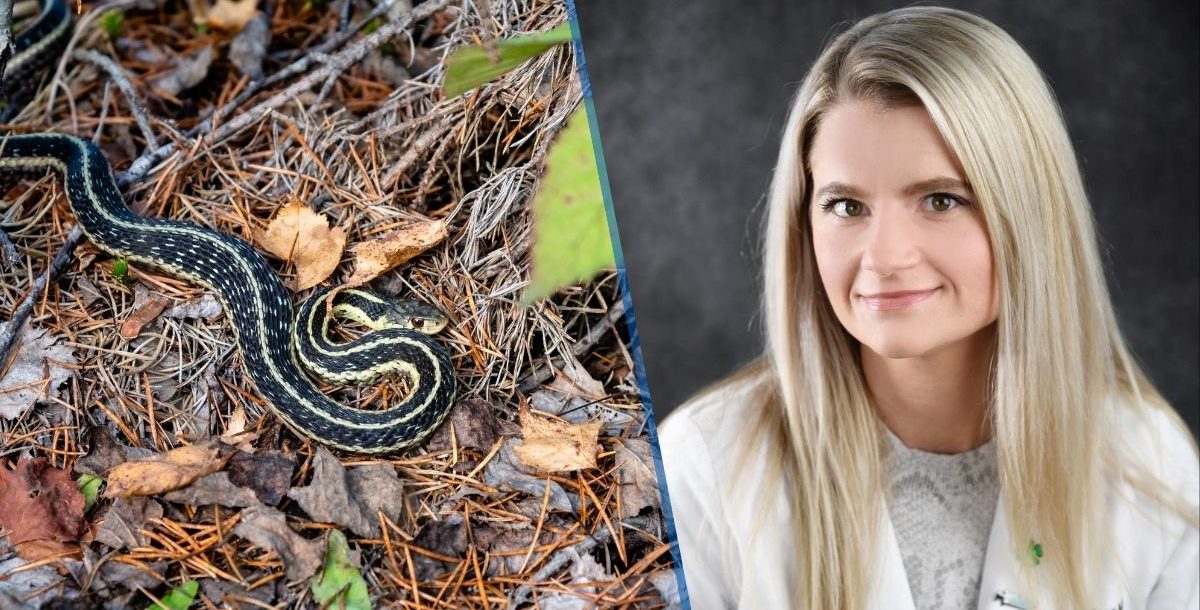
If you spend time outdoors, there’s always a chance you may encounter a snake. While not all snakes are venomous, following some snake safety best practices can help you know what to do if you’re bitten by a snake.
If you do get bitten by a snake, having a medical professional ensures that you properly recover from the bite. Treatment often depends on the type of snake that bit you. Because a bite from a venomous snake requires more immediate attention, find your nearest emergency department to be seen quickly.
Avoiding snake bites before they happen
When you’re going for a walk, on a hike or mowing the lawn, watch your step. Snakes tend to be more active outdoors during warmer months when you’re more likely to spend time outside as well. These cold-blooded animals typically hibernate during the winter months, re-emerging from their dens when it warms back up.
While you may not be a fan of snakes, sometimes the best way to handle a snake encounter is to not react at all.
“Don’t attempt to kill all snakes that you see,” Dawn Zellner, MD, an emergency medicine physician at Bon Secours St. Francis, says. “If you leave them alone, they will leave you alone.”
The Centers for Disease Control and Prevention (CDC) says only about 10 percent of snakes in the United States are venomous. They’re typically characterized by having a big, broad, triangular-shaped head and elliptical pupils like a cat. Some also have a hole on their face, between the eye and nose, for heat sensing.
“Wearing long pants, sleeves and high-top boots when in snake areas can definitely help protect you as well,” Dr. Zellner adds.
What to do if you are bitten by a snake
Venomous or otherwise, common symptoms of snake bites include puncture wounds, swelling and dizziness. Recognizing these symptoms can help you communicate clearly with health care professionals when you arrive at the emergency department.
If possible, try to identify the markings, size and color of the snake involved. This will help medical professionals identify the type of care you need for your snake bite. However, don’t attempt to kill or capture the snake to bring into the emergency department.
“If the snake is dead and you can safely take a photo, that will suffice,” Dr. Zellner says.
While first aid is an excellent temporary measure, snake bites should always be treated by medical professionals. You should never wait for severe symptoms to appear before deciding to see a health care provider.
Snake safety: First aid dos and don’ts
When an accident happens on a trail or even in your own backyard, the minutes before you reach the emergency department are crucial. For a bite from a non-venomous snake, the signs are usually minor and localized to the area surrounding the wound. However, proper snake bite first aid can prevent further complications and keep the wounded person stable.
What to do:
- Move: To prevent a second strike from the snake, move away from the area. Don’t try to trap, capture or kill the snake as even a dying or dead snake can reflexively strike or release venom.
- Then stay still: Once you’re safely out of the snake’s striking distance, restrict physical movement as much as possible.
- Don’t elevate: Keeping the affected limb completely still and positioned at or below heart level helps slow the potential spread of venom through your body.
- Remove anything tight: Take off any rings, watches, bracelets or tight clothing near the injury before swelling begins.
- Clean the bite: Wash the wound gently with soap and water then cover it loosely with a clean and dry dressing. Also note the exact time of the bite so you can share it with health care providers.
What to avoid:
- Protect the bite site: Don’t try to cut the skin and suck the venom. This only worsens localized tissue damage and will also introduce bacteria from the mouth directly into the open wound.
- Maintain blood flow: Avoid constricting blood flow with a tight band like a tourniquet or applying ice. These can trap the venom in one tight space, which may cause permanent localized tissue damage and deep bruising.
- Avoid stimulants: Don’t consume anything that speeds up your heart rate. A faster pulse can accelerate how quickly your body will absorb the venom. Additionally, avoid taking aspirin or ibuprofen since these medications can thin your blood and worsen the bleeding.
Ultimately, learning how to treat a snake bite in the first few moments is about protecting the wound from further trauma. Being safe from snake bites is a key step in ensuring you can quickly get aid.
Venomous snake bites
It’s recommended to call 911 or having someone else drive you to the nearest emergency department rather than driving yourself. Rapidly advancing symptoms of snake venom can make it dangerous for you to drive.
It’s possible to experience what is known as a “dry bite” from a venomous snake, which occurs when a snake strikes defensively but chooses not to release its venom. However, you may not know whether the snake has injected you with venom, so it’s important to go to your nearest emergency department for evaluation.
Venomous snake bite symptoms include:
- Two closely spaced puncture wounds at the direct site of the injury.
- Sharp, throbbing or burning pain that originates from the wound and begins to spread outward.
- Rapid swelling, severe bruising or skin discoloration surrounding the area.
- Nausea, vomiting, dizziness, sweating or a sudden feeling of weakness.
- Labored breathing, rapid heart rate or blurred vision.
- A strange metallic taste in the mouth or localized muscle twitching.
- Abnormal bleeding or blood that doesn’t clot normally around the puncture marks.
The emergency department is fully equipped to provide specialized venomous snake bite treatment. This includes:
- Administration of antivenom
- Continuous monitoring of vital signs and blood pressure
- Provision of IV fluids
- Wound care and management to prevent infections
How we can help
The only antidote for venomous snake bites is a medication that only emergency departments stock, so don’t delay seeking care. On your way, you can call poison control at 1-800-222-1222. They can direct you to the appropriate hospital with antivenom and advise you on caring for the wound before you arrive.
Not all snake bites are from venomous snakes and therefore don’t always require antivenom. However, all snake bites will require a long observation period in the emergency department.
“Do anticipate staying there for a long time,” Dr. Zellner says.
Learn more about the emergency care services we offer at Bon Secours.